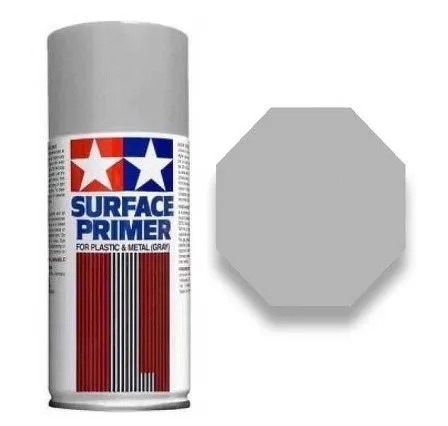
Paint priming is a crucial step in the model building and painting process, but it’s not always necessary for every type of model. When it comes to Tamiya models, it’s important to understand the specific properties of the materials used and how they react to paint in order to determine whether priming is necessary.
First, let’s define what paint priming is. Priming is the process of applying a thin layer of paint to a surface in order to prepare it for the final coat of paint. This layer helps the final paint adhere better to the surface and produces a more even and professional-looking finish.
So, do you need to prime Tamiya models? The short answer is: it depends. Tamiya models are made from a variety of materials, including plastic, metal, and resin. Each of these materials requires a different approach when it comes to painting and priming.
Plastic models:
Tamiya plastic models are made from a type of polymer called polystyrene, which is a common material used in model kits. Polystyrene is a porous material, which means that it has tiny holes on its surface. These holes can cause the paint to adhere poorly and result in a rough, uneven finish. In order to achieve a smooth and professional-looking finish, it is recommended to prime plastic Tamiya models before painting.
There are several types of primers available for plastic models, including enamel, acrylic, and lacquer. Enamel primers are oil-based and produce a strong, durable finish. They are resistant to chipping and peeling, but they can take longer to dry and may require thinning before use. Acrylic primers are water-based and dry quickly, but they may not be as durable as enamel primers. Lacquer primers are also oil-based, but they dry very quickly and produce a smooth, glossy finish.
Metal models:
Tamiya metal models are made from a variety of metals, including brass, aluminum, and stainless steel. These materials are non-porous and do not require priming before painting. In fact, priming metal models can actually cause the paint to adhere poorly due to the smooth surface of the metal. Instead, it is recommended to clean the metal surface with a degreaser or rubbing alcohol before painting to remove any oils or contaminants that may interfere with the paint’s ability to adhere.
Resin models:
Tamiya resin models are made from a type of polymer called polyurethane, which is known for its high level of detail and durability. Resin models are also non-porous, so they do not require priming before painting. However, resin models can be more brittle and prone to chipping, so it’s important to handle them with care and use a protective top coat after painting to protect the finish.
In conclusion, whether or not you need to prime Tamiya models before painting depends on the material of the model. Plastic models benefit from priming in order to achieve a smooth and professional-looking finish, while metal and resin models do not require priming due to their non-porous surfaces. By understanding the properties of the materials used in Tamiya models, you can make an informed decision about whether or not priming is necessary for your specific project.