Table of Contents
Introduction: A Brief Overview of FPV Drone Racing
First-person view (FPV) drone racing is an adrenaline-fueled hobby that has gained popularity worldwide in recent years. It involves flying small quadcopter drones at high speeds through custom-built obstacle courses, all while wearing a pair of goggles that provide a live video feed from the drone’s onboard camera. The sport is fast-paced and requires both technical skill and precision control.
Pilots must navigate through gates, tunnels, hoops, and other obstacles at breakneck speeds while maintaining their balance and orientation. The races are often timed or involve a set number of laps around the course.
The popularity of FPV drone racing has grown rapidly since the first organized race was held in Australia in 2014. Today, there are multiple leagues and organizations dedicated to the sport, with events held all over the world.
The Importance of Knowing the Cost of Getting Into the Hobby
While it is undoubtedly thrilling to watch skilled pilots zip their tiny drones through complex courses at dizzying speeds, getting into FPV drone racing requires a significant investment – both in time and money. Knowing how much it will cost to get started can help you prepare financially for this exciting new hobby.
In this article, we’ll dive deep into all aspects of the costs involved in getting into FPV drone racing so that you can make an informed decision about whether or not it’s right for you. Not only will we cover the up-front costs like purchasing equipment and building your first drone but also hidden expenses like race entry fees and travel costs if you want to compete outside your local area.
We’ll also discuss budgeting tips for those who want to save money while getting started with this exciting hobby. So whether you’re considering taking up FPV racing as a hobby or are just curious about the costs involved, read on to learn everything you need to know!
The Basics
What is FPV drone racing?
FPV stands for first-person view, meaning that a camera mounted on the drone transmits a live video feed to goggles worn by the pilot. This allows the pilot to see exactly what the drone sees and control it as if they were flying inside it. FPV drone racing involves pilots competing against each other to fly their drones through an obstacle course as quickly as possible.
The courses are designed with gates, flags, tunnels, and other obstacles that require speed, precision, and skill to navigate. The drones can reach speeds of up to 80 miles per hour and are controlled using a remote transmitter.
Types of drones used in racing
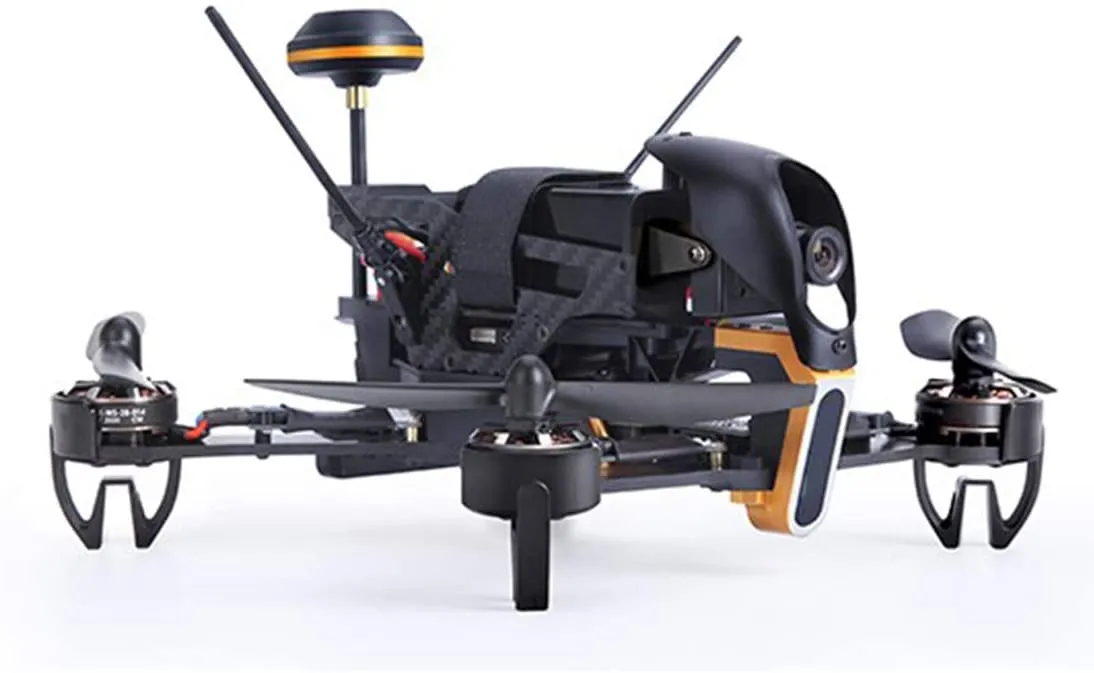
Most FPV racing drones are small quadcopters weighing around 250 grams or less. There are two main types of racing drones: RTF (ready-to-fly) and DIY (do-it-yourself).
RTF drones come fully assembled and ready to fly right out of the box. DIY drones require more effort and skill since they have to be built from scratch using various components.
Racers have different preferences when it comes to which type of drone they use. RTF drones offer convenience while DIY drones provide greater customization options and can be cheaper in some cases.
Essential equipment needed to start racing
To get started in FPV drone racing, you will need several pieces of equipment: – Racing drone: As mentioned earlier, you can choose between an RTF or DIY option. – Transmitter: This is what you use to control your drone during races.
– Goggles: These are used for viewing the live feed from your drone’s camera. – Batteries: Your drone will need a battery pack that provides enough power for flight time.
– Charger: You will also need a charger for your batteries. – Antennas: These are necessary for transmitting and receiving signals between the drone and the goggles.
Additional equipment like backup batteries, propellers, and tools for repairs may come in handy. It’s important to invest in quality gear as it will have a significant impact on your racing performance.
Costs to Consider
Drone kit prices and variations
When it comes to buying a drone for FPV racing, there are a lot of options available at various price points. Starter kits typically cost anywhere from $200 to $500, while more advanced kits can run upwards of $1,000 or more.
It’s important to consider what you’re looking for in terms of features and capabilities when choosing a kit. One factor that can greatly affect the price of a drone kit is the type of frame used.
Carbon fiber frames tend to be lighter and more durable, but they also come with a higher price tag. Plastic frames are typically less expensive, but they may not hold up as well in crashes or high-speed collisions.
Other components that can impact the cost of a drone kit include the motors, speed controllers, flight controllers, and camera systems. Higher-end components will generally lead to better performance in terms of speed and durability.
Additional equipment costs (goggles, controller, batteries, etc.)
In addition to the drone itself, there are several other pieces of equipment you’ll need when getting into FPV racing. First and foremost are goggles designed specifically for FPV use. These can range anywhere from $50 for basic models all the way up to $500 or more for premium options with built-in DVRs and other features.
A good controller is also essential for precise control over your drone during races. Prices for controllers can vary widely depending on features such as range and responsiveness.
You’ll need a steady supply of batteries to power your drone during races. High-quality LiPo batteries can be expensive ($20-$50 per battery), so it’s important to factor these costs into your overall budget.
Maintenance and repair expenses
Like any hobby involving high-speed vehicles crashing into each other at high velocities, FPV drone racing can take a toll on your equipment. It’s important to budget for maintenance and repair expenses to keep your drone in top shape.
Replacement parts such as motors, propellers, and frames can quickly add up, so it’s a good idea to have a few spares on hand. You’ll also need basic tools such as screwdrivers and pliers for making repairs.
It’s also important to factor in the cost of general maintenance such as cleaning and lubricating your drone after races. This will help ensure that all components are functioning properly and reduce the likelihood of expensive repairs down the line.
Getting into FPV drone racing requires a significant investment in equipment and ongoing maintenance costs. However, with careful budgeting and smart shopping choices, it’s possible to get started without breaking the bank.
Budgeting Tips
How to save money when starting out
When you first start getting into FPV drone racing, it’s easy to get caught up in the excitement and want to buy all the latest and greatest equipment. However, this can quickly add up and leave you with an empty wallet. One way to save money is by purchasing a ready-to-fly (RTF) drone kit instead of building your own custom drone.
RTF kits come with everything you need to get started, including a drone, controller, and goggles. Another tip for saving money is to look for deals and discounts online.
Many retailers offer sales throughout the year on drones and equipment. You can also find coupons or promo codes online that can help you save even more money.
Consider sharing equipment with other racers in your local community. This can be a cost-effective way to use high-quality equipment without having to purchase it all yourself.
DIY options for building your own drone
Building your own custom drone can be a fun and rewarding experience, but it can also be expensive if you don’t know what you’re doing. To save money on building your own drone, do some research beforehand on the various components needed for a successful build.
One option for saving money is by 3D printing some of the parts needed for the build instead of purchasing them outright. There are many online resources available that provide free 3D printing plans for various FPV drone components.
Another option is to purchase individual components separately instead of buying a complete kit. This allows you to pick and choose which components will work best for your needs and budget.
Consider purchasing used or refurbished parts from reputable sellers online or in local groups dedicated to FPV racing. These parts may not be brand new but can still function just as well at a fraction of the cost.
Secondhand market options
The secondhand market can be a great option for finding deals on FPV drone racing equipment. One way to search for used equipment is through online marketplaces such as eBay or Craigslist. These sites offer a wide selection of used drones, controllers, and goggles at discounted prices.
Another way to find used equipment is by joining local FPV racing groups or clubs. Many racers will sell their old equipment when they upgrade to newer models, and these sales can often occur at a fraction of the retail cost.
It’s important to note that when purchasing used equipment, it’s essential to thoroughly examine the condition of the components before buying. Look for signs of wear and tear or damage that could affect the performance of the equipment.
Getting into FPV drone racing doesn’t have to break the bank. By following these budgeting tips such as purchasing RTF kits instead of building your own drone, looking for deals online, and utilizing the secondhand market when possible, you can save money while still enjoying this exciting hobby.
Hidden Costs
FPV drone racing can be a thrilling and rewarding hobby, but it’s important to consider all the costs involved before diving in. While purchasing equipment and building your own drone can be the most significant upfront expenses, there are hidden costs to keep in mind as well. One such cost is race entry fees.
Most FPV drone races charge an entry fee to participate, which can range from $20-$100 per race depending on the event’s size and location. If you plan on competing regularly, these fees can add up quickly.
Travel expenses for attending races can also be a significant expense for serious racers. As most competitions occur in different cities or even countries, you’ll need to factor in transportation costs like flights or gas if driving a long distance.
Another hidden cost to consider is upgrading your equipment as your skills improve. As you become more experienced and progress through the ranks of FPV racing, you may find that your current setup no longer meets your needs.
Upgrades like faster motors or better goggles can quickly add up in price. One way to save money on these hidden costs is by joining an online community of FPV drone racers.
These communities often share information about upcoming races, tips for saving money on travel expenses, and recommendations for upgrading equipment without breaking the bank. Overall, while FPV drone racing can be a fulfilling hobby that provides hours of entertainment and adrenaline-pumping fun, it’s essential to consider all the costs involved before committing fully.
Race Entry Fees
When considering getting into FPV drone racing as a hobby or sport, one should take into account that each event has its own race entry fees that vary depending on where it takes place and how big it is. Usually smaller events have lower prices ranging between $20-$40 per participant while bigger events such as national championships could have fees above $100. Keep this in mind when budgeting for a race and be aware of any additional fees that might come up.
Some races have a time limit, and you may only get one chance to try out the track. It’s also common for events to have categories and different round stages, where only the pilots with the best lap times proceed to further rounds.
All this information can be found on event websites or social media pages where registration is done. To save on fees, look for early bird registration or group discounts.
Travel expenses for attending races
Competing in FPV drone racing events can take you all over the country or even internationally. Travel expenses such as airfare, gas, lodging, and food can quickly add up, so it’s essential to plan accordingly if you plan on attending multiple events throughout the year. One way to save money on travel expenses is by carpooling with other racers.
You can also take advantage of group rates at hotels if multiple people are staying together. Another alternative could be staying at an Airbnb instead of an expensive hotel.
Researching travel options beforehand can help keep costs down while still allowing you to attend your desired races. Additionally, many organizers offer discounted rates at partner hotels or nearby accommodations through their website or social media platforms.
Upgrading equipment as skills improve
As your skills improve in FPV drone racing, so too will your desire for faster drones and better equipment. Upgrading your current gear will allow you to compete at a higher level and may give you an advantage over other racers with less advanced setups.
The cost of upgrading equipment varies depending on what you’re replacing. For example; if upgrading your transmitter could cost between $100-$300 while purchasing new goggles could cost upwards of $500-$600 depending on brand and model.
It’s essential to research different options and brands before making any significant purchases since some models might not be compatible with the rest of your equipment. You can also look for used or refurbished gear to save money if you’re on a tight budget.
FPV drone racing can be an enjoyable and rewarding hobby, but it’s important to factor in all the hidden costs involved before committing fully. Keeping track of race entry fees, travel expenses, and upgrading equipment as your skills improve can help you budget accordingly and avoid any financial surprises down the line.
Conclusion
FPV drone racing is an exciting hobby that has gained popularity over the years. However, it is important to understand the costs involved before diving into it.
In this article, we have discussed the basics of FPV drone racing and the essential equipment needed to start racing. We have also covered the various costs that need to be considered when getting into this hobby.
The Overall Investment Required
Based on our research, the cost of getting into FPV drone racing can range from a few hundred dollars to several thousand dollars depending on what kind of equipment you choose and how much you are willing to invest in your hobby. A decent starter kit will cost around $300-$500 with additional equipment such as goggles and controllers costing another $200-300.
The maintenance and repair expenses can add up quickly too. Keeping your drones in good condition involves replacing motors, propellers, batteries among other things which can cost anywhere between $20-$200 depending on the quality of parts you purchase.
Budgeting Tips
To save money when starting out in FPV drone racing consider building your own drone or buying second-hand equipment instead of opting for a new kit. Also, look for discounts and deals available online or at local brick-and-mortar stores. Another way to save money is by purchasing generic parts rather than branded ones as these can be significantly cheaper while still doing their job just fine.
Hidden Costs
Remember there are hidden costs associated with FPV drone racing such as race entry fees (usually around $10-50 per race) travel expenses (if attending races outside your city) and upgrading your equipment as your skills improve (typically every 6-12 months).
…
FPV drone racing is an amazing hobby that brings together technology and adrenaline. However, with any hobby, there are costs involved.
It’s important to understand these costs before diving in so that you can budget accordingly. Remember, you don’t have to start with the most expensive equipment to get into the sport, and there are many ways to save money along the way.
The cost of getting into FPV drone racing will vary depending on your personal preferences and how much you want to invest in it. We hope this article has provided valuable insight into what it takes to get started in this exciting sport!