
 Lithium polymer batteries, or LiPos, are popular power sources for various electronic devices.
However, leaving them discharged can cause irreversible damage to the battery cells and reduce their lifespan.
In this article, we explore how long you can leave a Lipo discharged and highlight the consequences of doing so.
Table of Contents
Understanding Lipos And Discharge Rates
 Lipo Batteries: Powering RC Vehicles
 Lipo Batteries: Powering RC Vehicles
Lipo batteries are the go-to power source for RC vehicles like drones, boats, and cars.
However, discharging them can be tricky.
Discharge Rates
Different Lipo batteries have varying discharge rates based on their size and capacity.
Smaller ones drain faster than larger ones.
Preventing Damage
To prevent damage or risk of fire/explosion, avoid deep cycling by not completely draining the battery during use.
Most manufacturers recommend discharging no lower than 3 volts per cell (for a two-cell pack like many mini/micro quads take – do not let any cell drop below 3v each).
Storage Tips
When storing your Lipo battery, aim for around half-charge remaining (~50%) if you won’t use it for an extended period (2 weeks).
This ensures enough power is available in case self-discharge occurs due to electrical leakage within cells.
Remember These Five Key Things:
- Avoid deep cycling
- Discharge no lower than 3 volts per cell
- Store at around 50% charge if not using for 2 weeks
- Prevent electrical leakage within cells
- Follow manufacturer recommendations
Remember, Lipo batteries are powerful but require proper handling to avoid damage or risk of fire/explosion.
Follow these tips to ensure safe and efficient use of your RC vehicle.
How Long Can A Lipo Stay Discharged
How to Properly Store Lipo Batteries
 How to Properly Store Lipo Batteries
Lipo batteries power electronic devices, but discharging them for too long can damage and render the battery useless.
The duration of discharge depends on factors such as battery type, storage conditions, and discharge rate.
To prevent irreversible harm to their internal chemistry, stored lipos should not be left fully discharged for more than 2-3 days.
For extended periods (over two weeks), store lipos at around 50% charge level in a cool dry place with stable temperatures between 15°C-25°C.
This maintains balance within each cell while reducing chemical reactions that could cause permanent damage.
Avoid complete discharges;
Store at around 50%;
Keep in cool dry places with stable temperatures and low humidity levels;
Remember batteries die over time due mainly from number of cycles and age – recharge immediately after accidental full discharge!
Effects Of Prolonged Discharging On Lipos
The Effects of Prolonged Discharging on LiPo Batteries
 The Effects of Prolonged Discharging on LiPo Batteries
Leaving your LiPo battery discharged for an extended period can cause significant damage and safety risks.
One consequence is capacity loss, where the voltage drops as chemical reactions occur naturally without being recharged.
This leads to irreversible changes in electrode materials and lower overall capacity.
Another effect of prolonged discharging on LiPos is reduced performance, resulting in shorter flight times and slower speeds while flying RC vehicles powered by LiPo batteries that cannot provide sufficient power output.
Proper maintenance is crucial for LiPo batteries.
Quick Points about Effects of Prolonged Discharging on LiPos:
- LiPo batteries require proper maintenance with regular charging due to their specific chemistry.
- Over-discharge may lead to lithium dendrites growing inside the battery causing short circuiting
- Storing LiPos with charge levels under 3V/cell permanently damages them
- A damaged LiPo might need replacement instead of repair
Remember to always follow the manufacturer’s guidelines for charging and storage.
What Happens Inside A Lipo During Discharge
The Importance of Proper Discharging for Lipo Batteries
 The Importance of Proper Discharging for Lipo Batteries
When a lipo battery discharges, its voltage drops due to chemical reactions between electrodes.
This reaction reduces available lithium ions and increases internal resistance.
Discharging generates heat which raises temperatures in the cell causing electrolyte decomposition and gas generation leading towards increased pressure within cells.
Discharging decreases available lithium ions, which can affect the battery’s performance and lifespan.
It’s crucial to avoid over-discharging your lipo battery as it can permanently lower its capacity.
Lipos are powerful batteries but require careful handling for longevity beyond their rated cycle life.
If you accidentally over-discharge your lipo battery (indicated by low voltage), do not recharge as that can cause further damage or even fire.
Heat production during discharges leads to temperature increase resulting in gas generation.
This can cause increased pressure within cells, which can lead to swelling or even rupture of the battery.
Summary:
- Discharging decreases available lithium ions
- Over-discharging damages lipos permanently
- Heat production during discharges leads to temperature increase resulting in gas generation
Proper handling and maintenance of lipo batteries are essential for their longevity beyond their rated cycle life.
Always follow the manufacturer’s guidelines and avoid over-discharging your lipo battery to ensure optimal performance and safety.
The Importance Of Cell Balancing For Longer Lifespan
Why Cell Balancing is Crucial for Your Lipo Battery’s Lifespan
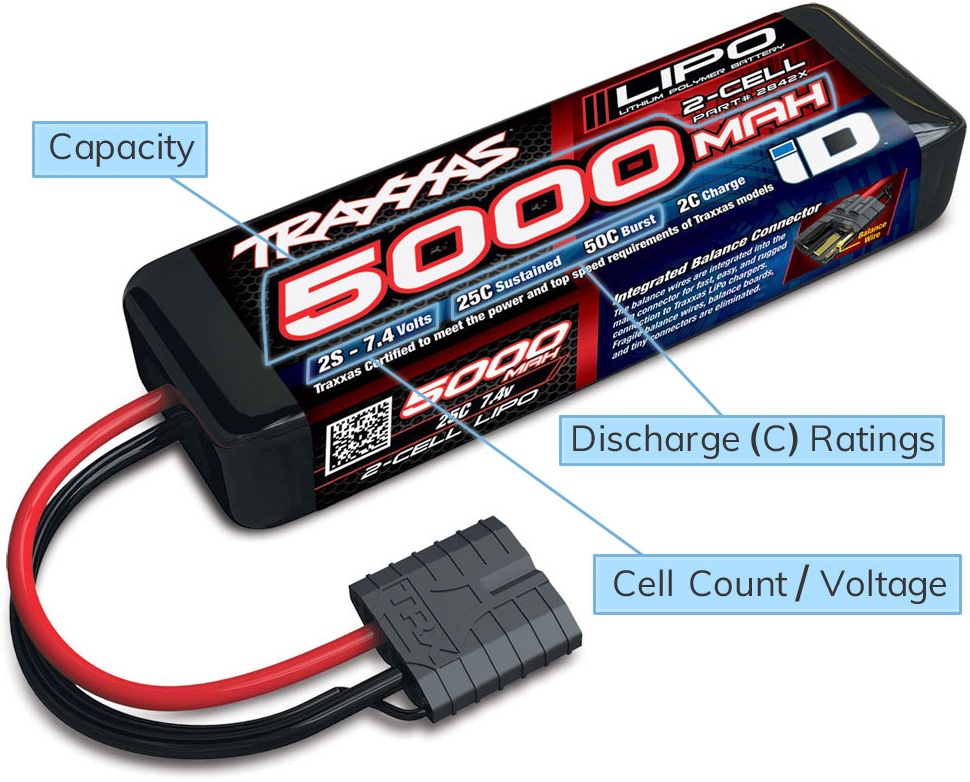 Why Cell Balancing is Crucial for Your Lipo Battery’s Lifespan
Cell balancing is crucial for your Lipo battery’s lifespan.
It guarantees that all cells are equally charged and discharged, allowing each cell to perform optimally.
Overcharging or undercharging one cell can damage the entire pack irreversibly.
How to Balance Cells
To balance cells, monitor their voltage individually and ensure they’re within an acceptable range.
Corrective action must be taken if any have higher or lower voltages than others by charging or discharging them until their voltages match healthy ones.
Regularly Check for Imbalances
Regularly check for imbalances between individual cells to maintain a longer lifespan through specialized equipment like chargers and balancers while optimizing overall performance capacity with equal use of every Lithium polymer cell available power supply from Lipo Battery maximizing energy storage capacity while minimizing wear on individual cells increases safety levels when handling Lipos because dangers associated include fire outbreaks due to imbalance between two different batteries.
Remember, balancing your Lipo battery’s cells is crucial for its lifespan and performance.
Don’t neglect this important step!
Factors Affecting Lipo Self Discharge Rate
Minimizing LiPo Battery Self-Discharge
 Minimizing LiPo Battery Self-Discharge
Do your LiPo batteries discharge even when not in use?
Learn what affects LiPo self-discharge rate and how to minimize it.
- Temperature is critical – warmer environments increase the loss of charge, while cooler temperatures slow down discharge rates (around 50°F)
- Age also plays a role as capacity decreases around five percent each year or after every ten cycles.
- This can lead to cell imbalances causing swollen packs due to increased internal resistance.
- Keep in mind that no single factor determines exact answers for these delicate components, so one solution may be insufficient depending on unique requirements like usage patterns
Remember, taking care of your LiPo batteries is crucial for their longevity and performance.
When storing your LiPo batteries, it’s important to:
- Store them at around 50% charge to prevent over-discharge or overcharge
- Keep them in a cool, dry place away from direct sunlight and heat sources
- Check their voltage periodically and recharge them if necessary
Proper storage can significantly reduce the self-discharge rate of your LiPo batteries.
Storage Solutions To Prevent Over Discharging
Proper Storage and Maintenance of LiPo Batteries
 Proper Storage and Maintenance of LiPo Batteries
LiPo batteries are a popular choice for powering remote-controlled vehicles, drones, and other electronic devices.
However, improper storage and maintenance can lead to damage, reduced lifespan, and even safety hazards.
Here are some tips to help you keep your LiPo batteries in top condition:
- Use a storage mode on your charger or invest in a LiPo storage bag to prevent over-discharging when storing your batteries
- Store batteries in cool and dry places away from direct sunlight or heat sources
- Use smart battery management tools like Battery hubs or USB connections with integrated software applications to reduce chances of over-discharging by disconnecting electronics automatically after fulfilling required charging needs
- Always store fully charged but not at 100% capacity
- Check voltage levels periodically
- Keep them protected off concrete surfaces
- Do not expose them under extreme temperature fluctuations
By following these steps, you can maximize the lifespan of your LiPo batteries and avoid premature disposal.
Proper maintenance techniques not only save money and effort but also keep everyone around you safe!
Remember, safety should always be your top priority when dealing with LiPo batteries.
With proper storage and maintenance, you can enjoy the full potential of your LiPo batteries and power your devices with confidence.
Battery Maintenance And Monitoring Best Practices
Best Practices for Maintaining and Monitoring Your Lipo Batteries
 Best Practices for Maintaining and Monitoring Your Lipo Batteries
Follow these best practices to prolong the life of your lipo batteries:
- Store them at a cool temperature between 40-60°F to prevent permanent damage from higher temperatures.
- Never leave your lipo batteries fully discharged for an extended period.
- This can cause irreparable damage and decrease their lifespan.
- Instead, charge them up as soon as possible after use or when they reach around 3.7v per cell.
- Regularly check voltage levels on your lipo batteries to monitor health status over time.
- If you notice significant drops in voltage or signs of puffiness/leaking electrolyte fluid, it may be time for replacement.
Remember, prevention is key when it comes to maintaining your lipo batteries.
By following these best practices, you can avoid costly replacements and ensure your batteries last as long as possible.
Additional Best Practices
Here are some additional best practices to keep in mind:
- Use appropriate storage containers designed specifically for lipo batteries
- Avoid direct sunlight and high humidity exposure
- Keep track of individual battery usage since new.
- Older batteries should be used less frequently.
- Invest in a smart charger with built-in safety features like automatic shutoffs and balancing capabilities
By taking these extra steps, you can further protect your lipo batteries and ensure they perform at their best.