 When it comes to power tools, choosing the right type of motor is crucial.
Brushed and brushless are two types of motors commonly found in drills, saws, and other equipment.
While brushed motors have been around for decades and offer affordability, brushless motors boast higher efficiency and longer lifespan.
In this article, we’ll dive into the differences between these two options to help you decide which one is the better choice for your needs.
Table of Contents
Introduction
 Brushed vs Brushless Motors: Which One Should You Choose?
 Brushed vs Brushless Motors: Which One Should You Choose?
If you’re in the market for a power tool, you might be wondering whether to choose brushed or brushless motors.
Both options have their pros and cons, but which one is right for you?
Let’s explore both options to help make your decision easier.
What Are Brushed and Brushless Motors?
There are two main types of motors: brushed and brushless.
Brushed technology has been around longer, but recently, brushless solutions have gained popularity due to their advantages over traditional alternatives.
What Are the Key Differences?
What distinguishes these motor types from each other?
Why might someone prefer a brushed motor?
And what benefits does choosing a brushless solution offer?
Let’s dive into the key differences between them so that you can decide which one is right for your needs.
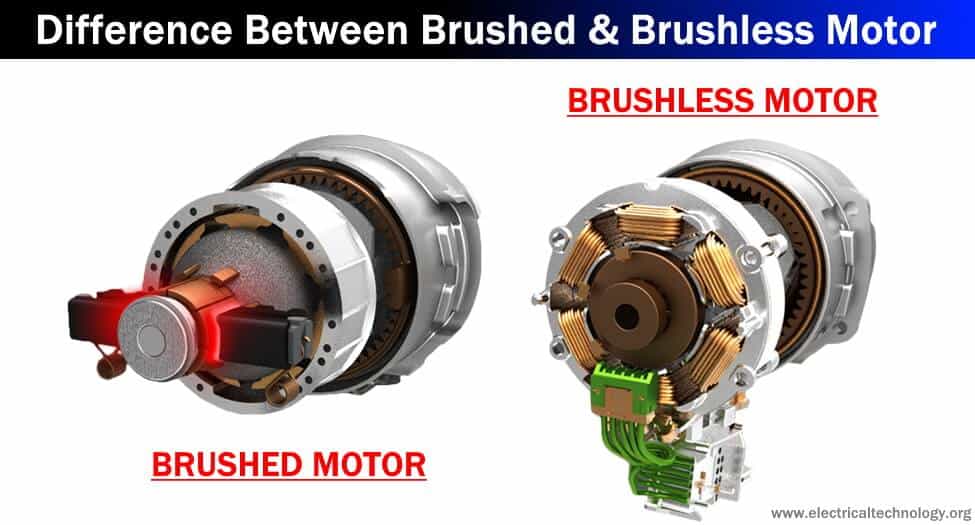
- Brushed motors have carbon brushes that deliver power to the commutator, which in turn rotates the armature.
- Brushless motors, on the other hand, use a controller to adjust the current and voltage to the motor.
- Brushed motors are generally less expensive than brushless motors, but they have a shorter lifespan and require more maintenance
- Brushless motors are more efficient, have a longer lifespan, and require less maintenance.
- They also offer more precise speed control and generate less heat.
Understanding Brushed Motors
Brushed Motors: What You Need to Know
 Brushed Motors: What You Need to Know
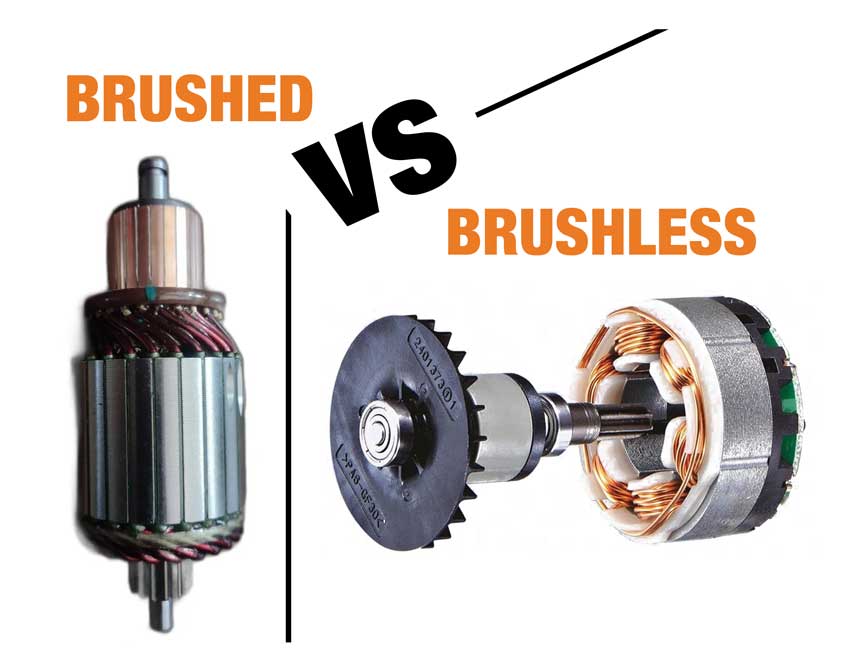
Brushed motors are the most commonly used type of motor in power tools.
They have a rotating armature, or rotor, surrounded by stationary wire coils called stator windings.
When electricity flows through these coils, they create a magnetic field that powers your tool.
However, brushed motors tend to wear out faster due to friction between moving parts within them.
This can result in lower efficiency and even burnout failure over time.
Brushed motors are reliable and affordable for undemanding tasks.
Lower Upfront Costs
Brushed motors typically have lower upfront costs than brushless models.
This makes them a great option for those on a budget or for those who only need a power tool for occasional use.
Easier and More Affordable Repairs
Another advantage of brushed motors is that their components are easier and more affordable for DIY repairs when necessary.
This means that you can save money on repairs and maintenance in the long run.
Brushed motors are a great option for those who want to save money on repairs and maintenance.
Efficient for Undemanding Tasks
For undemanding tasks like home improvement jobs, brushed models can be completed efficiently with ease.
They are reliable and affordable for these types of tasks.
Brushed motors are reliable and affordable for undemanding tasks.
Understanding Brushless Motors
Why Brushless Motors are Gaining Popularity
 Why Brushless Motors are Gaining Popularity
Brushless motors are becoming increasingly popular due to their efficiency, durability, and power.
Unlike brushed motors, they operate without brushes or commutators.
Instead, electronic controllers regulate electrical current and switch magnetic fields that turn the rotor.
BLDC motors use permanent magnets on the rotor, while AC brushless machines use electromagnets instead.
These types of motors operate more efficiently because they experience minimal lost energy during transition changes compared to brushed systems, which waste up to 20% in heat losses due to increased mechanical wear and tear at higher speeds.
Benefits of Brushless Motors
- Increased efficiency
- Reduced heat losses
- Longer lifespan due to less mechanical wear and tear
- Higher power-to-weight ratio
- Lower maintenance requirements
Another advantage of brushless motors is their higher power-to-weight ratio.
This means they can produce more power while being lighter in weight compared to brushed motors.
Additionally, they require less maintenance due to the absence of brushes that wear out over time.
Overall, brushless motors are a superior choice for many applications due to their efficiency, durability, and power.
They offer numerous benefits over brushed motors, making them a popular choice in various industries.
Differences Between Brushed And Brushless Motors
Brushed vs Brushless Motors: What’s the Difference?
 Brushed vs Brushless Motors: What’s the Difference?
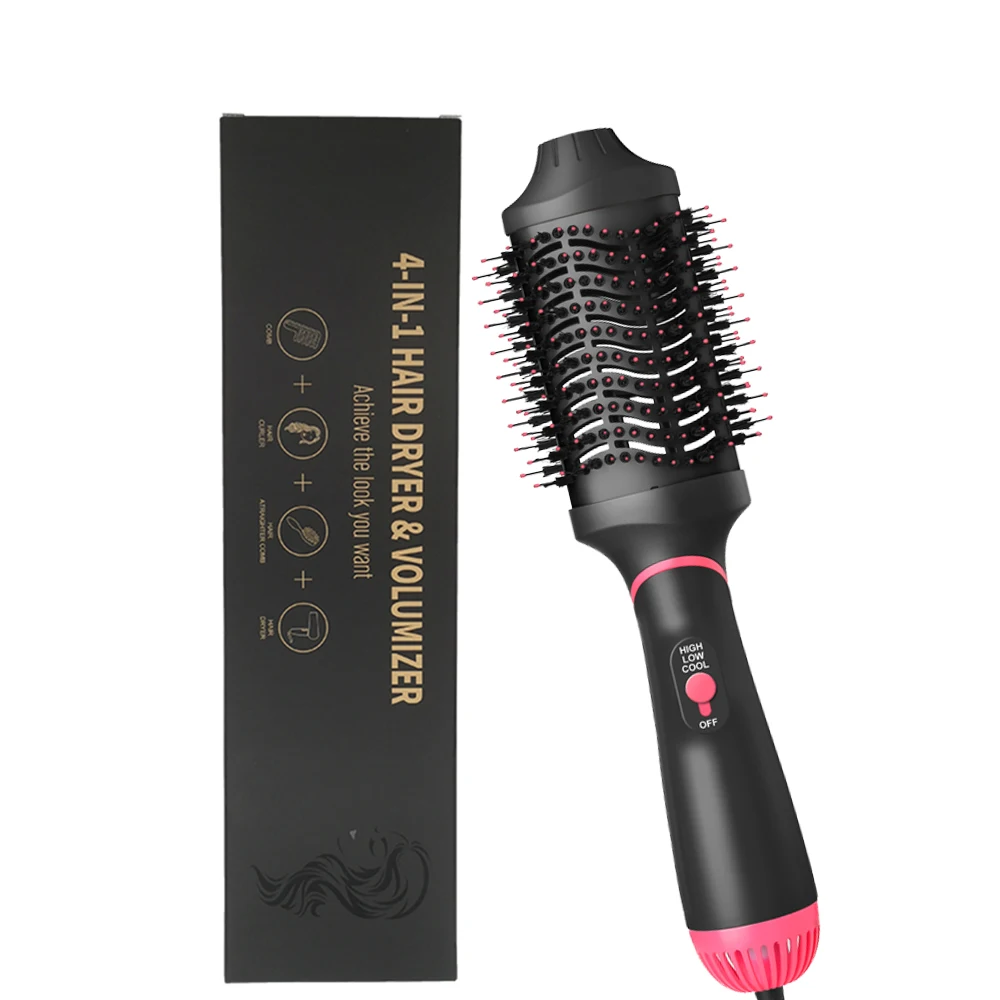
Brushed and brushless motors are two types of electric motors that differ in their operation.
- Brushed motors use physical brushes to transfer power from the battery
- Brushless motors utilize electronic commutation with sensors and circuits
Efficiency
One significant difference is efficiency.
Brushless motors have higher overall efficiencies due to:
- No energy loss through frictional wear
- No direct contact points generating heat from excess voltage or current leakage
Maintenance and Torque Generation
Other key differences include:
- Maintenance requirements: Brushed motors require maintenance, while brushless ones do not
- Torque generation: Brushed motors have lower torque generation compared to brushless motors
Brushless motors are more efficient and require less maintenance than brushed motors.
Overall, the choice between brushed and brushless motors depends on the specific application and requirements.
Advantages Of Brushed Motors
Advantages of Brushed Motors over Brushless Motors
 Advantages of Brushed Motors over Brushless Motors
Brushed motors rely on physical contact between the brush and commutator to create motion.
Despite being an old technology, they have advantages over their modern counterpart – brushless motors.
Cost-effective and Easy to Use
Brushed motors are more affordable than brushless ones.
They require less complex circuitry, making them easier to control with basic electronic components.
Brushed DC gear-motors can be used for simple DIY projects like robots or remote-controlled cars without much technical know-how.
- Brushed motors are more affordable
- They’re easier to use in simple DIY projects due to their less complex design
- There’s a lower chance of something going wrong since there are fewer parts involved compared to high-tech alternatives that might need more maintenance
Brushed motors are a great option for hobbyists and beginners who want to experiment with basic electronics without breaking the bank.
Less Maintenance Required
Since brushed motors have fewer parts, there’s a lower chance of something going wrong.
This means that they require less maintenance compared to high-tech alternatives that might need more attention.
Brushed motors are a reliable and cost-effective choice for simple DIY projects.
Conclusion
Brushed motors may be an old technology, but they still have a place in the world of DIY electronics.
Limitations Of Brushed Motors
Limitations of Brushed Motors
 Limitations of Brushed Motors
Brushed motors have limitations to consider before purchasing.
- Their lifespan is shorter than brushless due to brushes wearing down and needing replacement
- Less power compared to brushless counterparts, requiring a more powerful (and likely larger) motor for high torque or speed applications
- Maintenance requirements are higher with brushed motors; regular cleaning and worn-out brush replacements necessary
- They also generate more electromagnetic interference (EMI), affecting nearby sensitive electronic devices
Despite these limitations, brushed motors are still a popular choice for certain applications due to their affordability and simplicity.
Friction from physical contact between rotor and stator can cause heat build-up.
It’s important to consider the specific needs of your project before deciding on a brushed motor.
Advantages Of Brushless Motors
Why Brushless Motors are Superior
 Why Brushless Motors are Superior
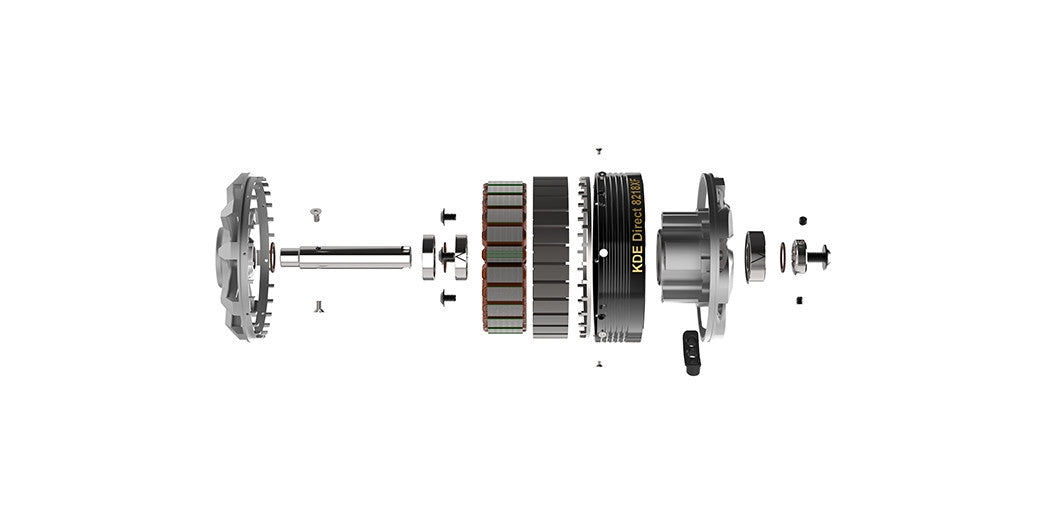
Brushless motors are superior to brushed ones due to their increased efficiency and durability.
Unlike brushed motors, they don’t rely on brushes for electricity transfer, allowing them to operate at higher speeds without overheating or wearing down quickly.
Advantages of Brushless Motors
- Increased efficiency: Brushless motors are more efficient than brushed motors, meaning they use less power to do the same amount of work.
- Greater durability: Brushless motors have fewer moving parts, making them less prone to wear and tear.
- Quieter operation: Brushless motors are quieter than brushed motors because they don’t have mechanical parts rubbing together.
- More precise control: Brushless motors offer more precise control in applications like drones or RC cars.
- Higher speed capabilities: Brushless motors can operate at higher speeds without overheating or wearing down quickly.
If you’re seeking a motor with better performance, longevity, and precision control capabilities, then choosing a brushless one is the right choice.
Limitations Of Brushless Motor
Brushless Motors: Advantages and Limitations
 Brushless Motors: Advantages and Limitations
Brushless motors offer increased efficiency and longer lifespan compared to brushed counterparts.
However, before purchasing, it’s important to consider their limitations.
Higher Cost
One limitation of brushless motors is their higher cost due to complex electronic control systems and expensive materials.
Electromagnetic Interference
Another issue is electromagnetic interference (EMI) causing radio frequency interference (RFI), which can affect wireless communication or nearby electronics.
Repairing brushless motors may be more challenging and costly than brushed ones.
They require specific operational conditions, potentially increasing weight with additional components needed for optimal performance.
It’s important to weigh the potential drawbacks when deciding on a motor type that best fits your needs.
Brushes Or No Brushes – Which One To Choose
 When choosing between brushed or brushless motors, there are several factors to consider.
Brushed Motors
- Brushed motors are cheaper but may need more maintenance
- They can deliver higher short-term thermal overload capacity
Brushless Motors
- Brushless motors have no brushes which reduces friction leading to increased speed with lower energy consumption
- They last longer than their counterparts as they don’t wear out quickly due to the lack of physical contact parts
- Although expensive initially, you save money over time because there is little-to-no required upkeep on them
When it comes to efficiency and durability, choose a brushless motor that operates without brushes reducing friction for faster speeds while consuming less energy.
Brushed motors are affordable and offer great performance in high torque applications but require frequent maintenance.
Brushless motors last longer and require less maintenance, making them a better long-term investment.
What Applications Are Best Suited For Each Type
Brushed vs Brushless Motors: Which One to Choose?
 Brushed vs Brushless Motors: Which One to Choose?
Brushed motors are perfect for hobbyist projects like model cars or small drones.
They’re affordable and easy to use.
However, they may need maintenance from time to time.
On the other hand, brushless motors are more efficient and durable.
They’re ideal for larger industrial machinery and electric vehicles that require consistent use over longer periods of time.
- Brushed motors are affordable and ideal for those on a budget
- Brushless motors are more expensive but offer better efficiency and durability
- Both types can function well depending on the specific application needed
Remember, the choice between brushed and brushless motors depends on your specific needs and budget.
Brushed motors are simple and easy to use.
They’re perfect for small projects that don’t require constant use.
However, if you need a motor that can handle consistent use over longer periods of time, brushless motors are the way to go.
Brushless motors are more expensive, but they offer better efficiency and durability, making them ideal for larger industrial machinery and electric vehicles.
Cost Comparison: Brushed Vs Brushless Motors
Brushed vs Brushless Motors: Which is More Cost-Effective?
 Brushed vs Brushless Motors: Which is More Cost-Effective?
Brushed motors are cheaper due to their simpler designs with fewer components, making them popular for entry-level models or toys.
On the other hand, brushless motors can be expensive due to their high-end technology and complex constructions.
The permanent magnets used in these types of motors cost more than brushes that wear off over time.
However, while upfront costs may be higher when opting for a brushless motor, you’ll save money over time thanks to its energy efficiency and longer lifespan.
Consider These Five Takeaways When Deciding Between Brushed or Brushless:
- Choose brushed if you’re on a budget
- Consider your long-term savings before choosing
- Opt for brushless if energy efficiency is important
- Select based on application – small appliances vs industrial machinery
- Keep maintenance needs in mind
Brushed motors are cheaper, but brushless motors are more energy-efficient and have a longer lifespan.
When deciding between brushed or brushless motors, it’s important to consider your budget, long-term savings, energy efficiency, application, and maintenance needs.
While brushed motors may be cheaper upfront, brushless motors can save you money in the long run.
Additionally, brushless motors are more energy-efficient and have a longer lifespan, making them a better investment for certain applications.
Brushless motors are more expensive, but they’re worth the investment for their energy efficiency and longer lifespan.
Conclusion
Brushed vs Brushless Motors: Which One to Choose?
 Brushed vs Brushless Motors: Which One to Choose?
When deciding between brushed and brushless motors, it’s important to consider your individual needs.
Brushed motors are affordable and suitable for low performance requirements.
However, for increased power and efficiency, brushless motors are the way to go.
Factors to Consider
There are several factors to weigh when choosing between brushed and brushless motors:
- Cost: Brushed motors are less expensive than brushless.
- Power Output: Brushless motors offer higher efficiency rates.
- Runtime Length: The runtime on a single battery charge is longer with brushless options.
- Maintenance: Maintenance differs between the two types.
If you’re unsure which motor type suits you best, it’s always a good idea to consult an expert!
Brushed motors are affordable and suitable for low performance requirements.
However, for increased power and efficiency, brushless motors are the way to go.
There are several factors to weigh when choosing between brushed and brushless motors.
If you’re unsure which motor type suits you best, it’s always a good idea to consult an expert!